
Self-employment verification
Self-employment income, verified with confidence.
Faster eligibility decisions using bank data for the hardest cases to verify.
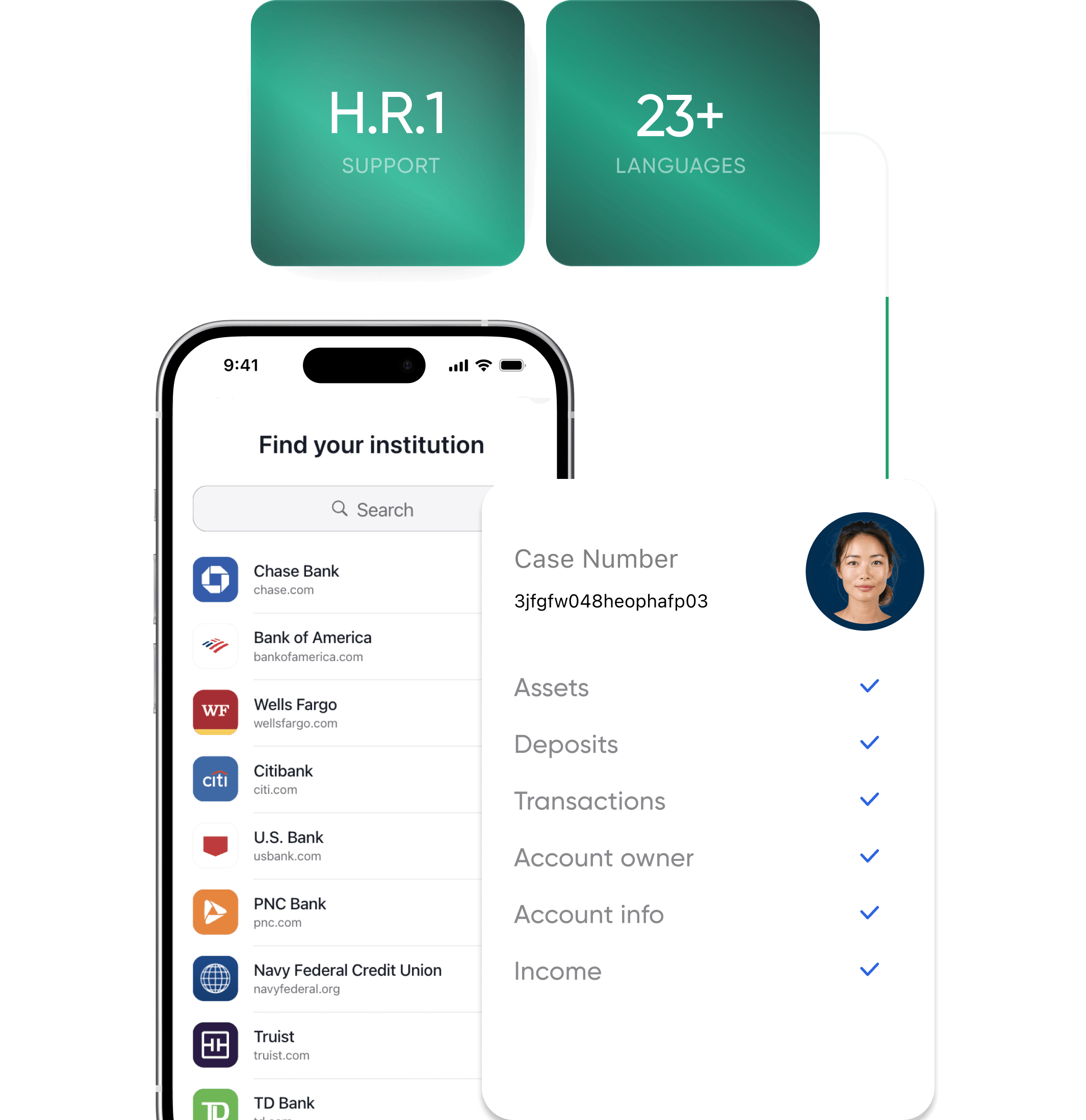
Income certainty, no matter how they earn.
Income certainty, no matter how they earn.
Coverage
Reach the banks your clients use.
Connect to 14,000+ banks to surface deposit-based income data.
Learn more
Security
Verify faster without risk tradeoff.
Encrypted, tokenized, and compliant with bank-grade security.
Learn more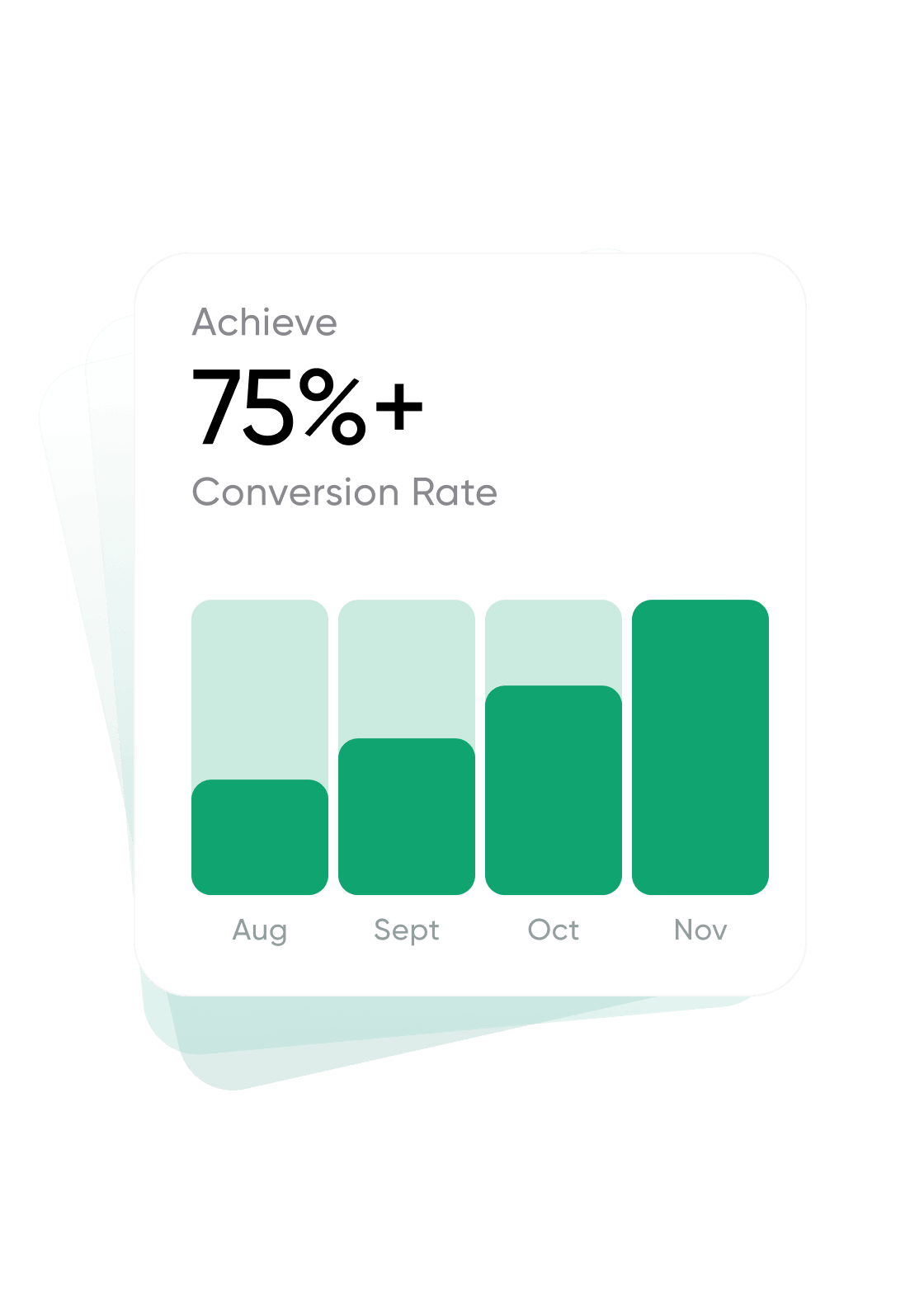
Conversion
Purpose-built for client experience.
More clients verified. Fewer cases dropped. Faster determinations.
Learn more
Implementation
Plug into your existing workflow.
Dedicated support and proven onboarding process — so your team is up and running fast.
Learn moreHow it works.
How it works.
Real results. Real Truv experiences.
Real results. Real Truv experiences.


Self-employed income verification FAQs.
Self-employed income verification FAQs.
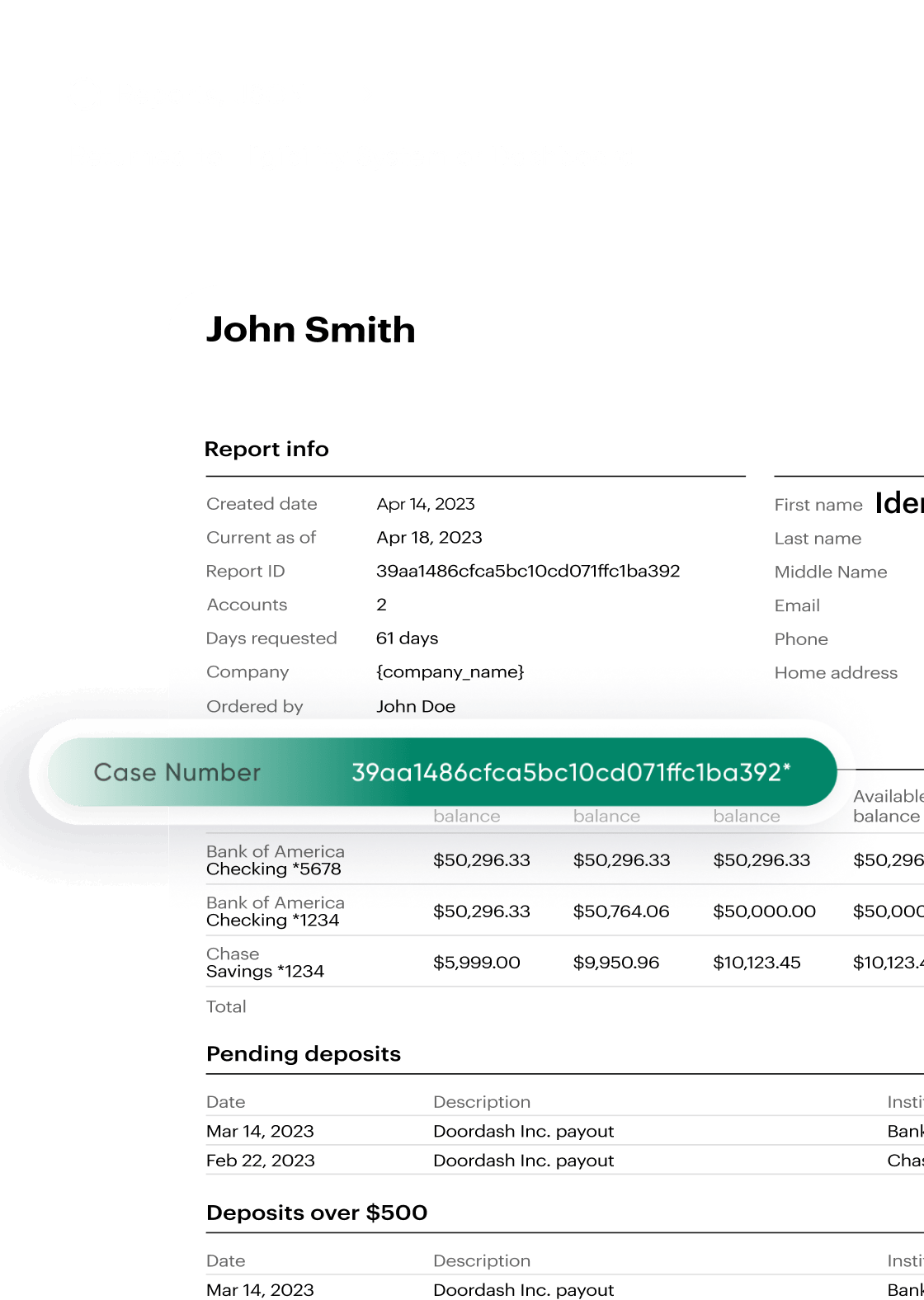
Self-employment income verification is the process of confirming income for individuals whose earnings don't come from traditional payroll — including self-employed workers, seasonal workers, freelancers, part-time workers, or non-traditional income. Truv uses bank deposit data to identify and validate income patterns directly from the client's financial institution(s).
Truv connects directly to more than 14,000 financial institutions to retrieve bank-validated deposit data in real time, eliminating the need for clients to submit paper documents. This gives agencies accurate, tamper-proof income insights without the delays and errors common with manual review.
Truv identifies a wide range of non-wage earner income patterns including self-employment deposits, freelance and contract payments, gig economy earnings, and recurring or seasonal income — even when those earnings vary month to month or aren't easily detectable.
Rather than relying on employer-issued documents, Truv analyzes bank deposit history to surface income trends, deposit frequency, average monthly income, and seasonality indicators — giving agencies a complete picture of a client's actual earnings. This bank-based approach mirrors Truv's bank income verification and fits within Truv's public sector verification suite.
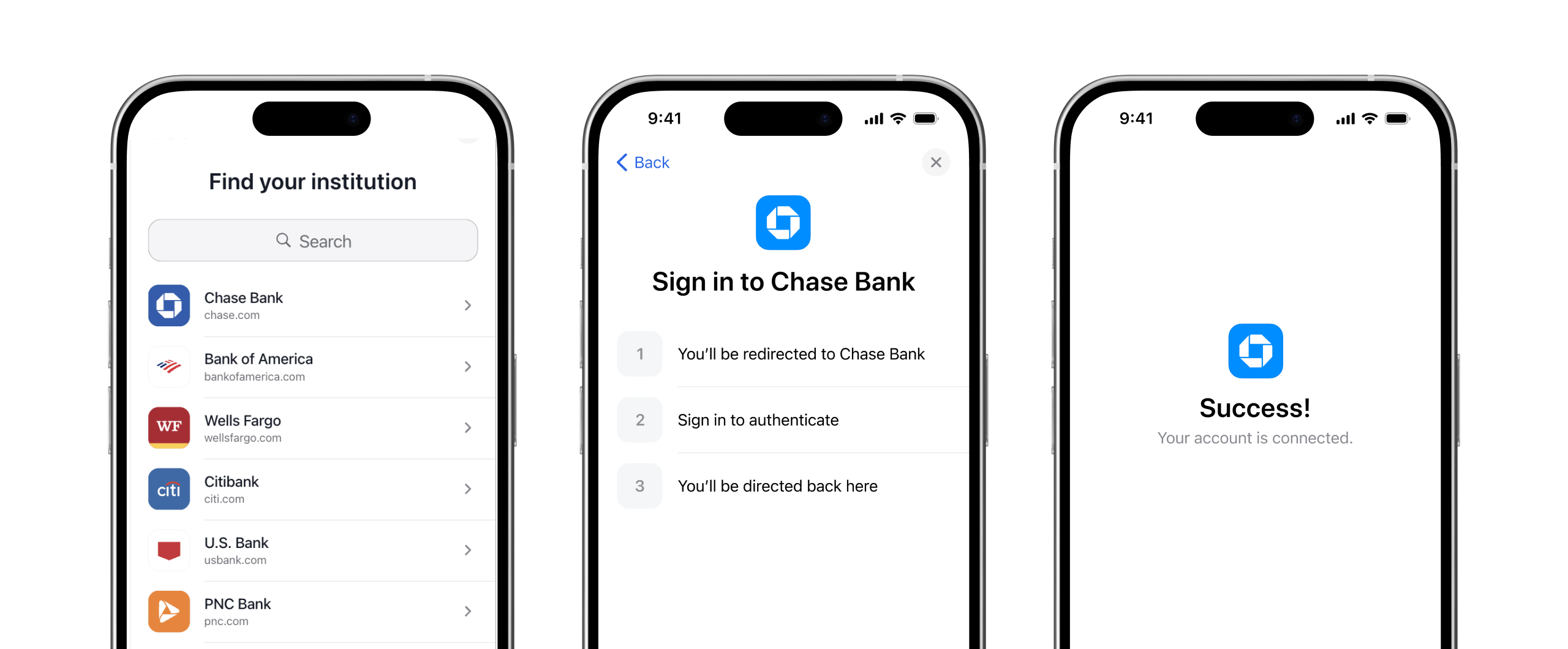
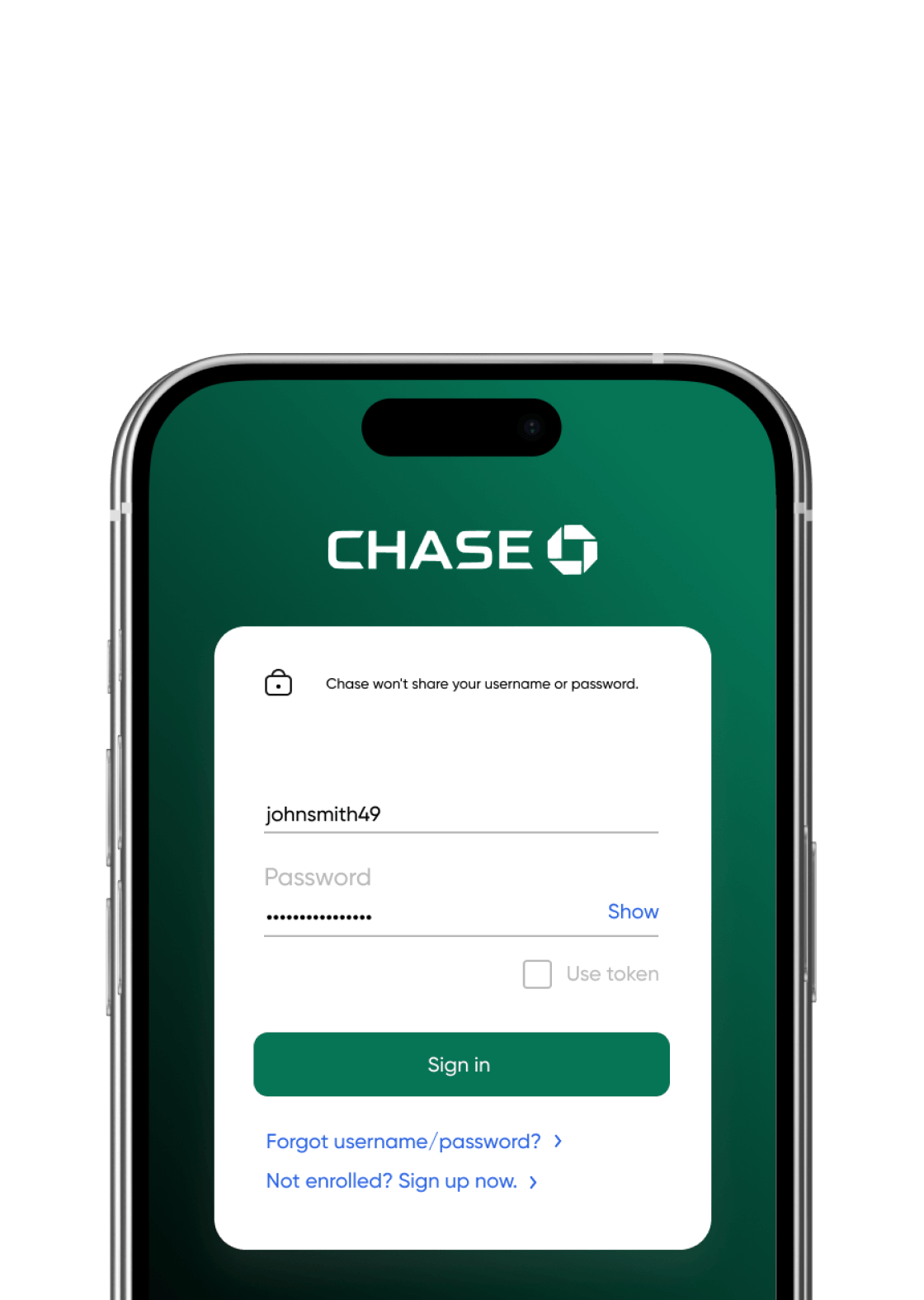
Clients can connect their financial institution in under a minute. Structured and categorized deposit and income data is returned to the agency instantaneously, significantly reducing processing time compared to document-based verification.
Truv's Self-Employed Income Verification helps public sector agencies make faster, more accurate eligibility determinations, reduce fraud risk from falsified documents, and improve program access for workers who have historically been harder to verify.
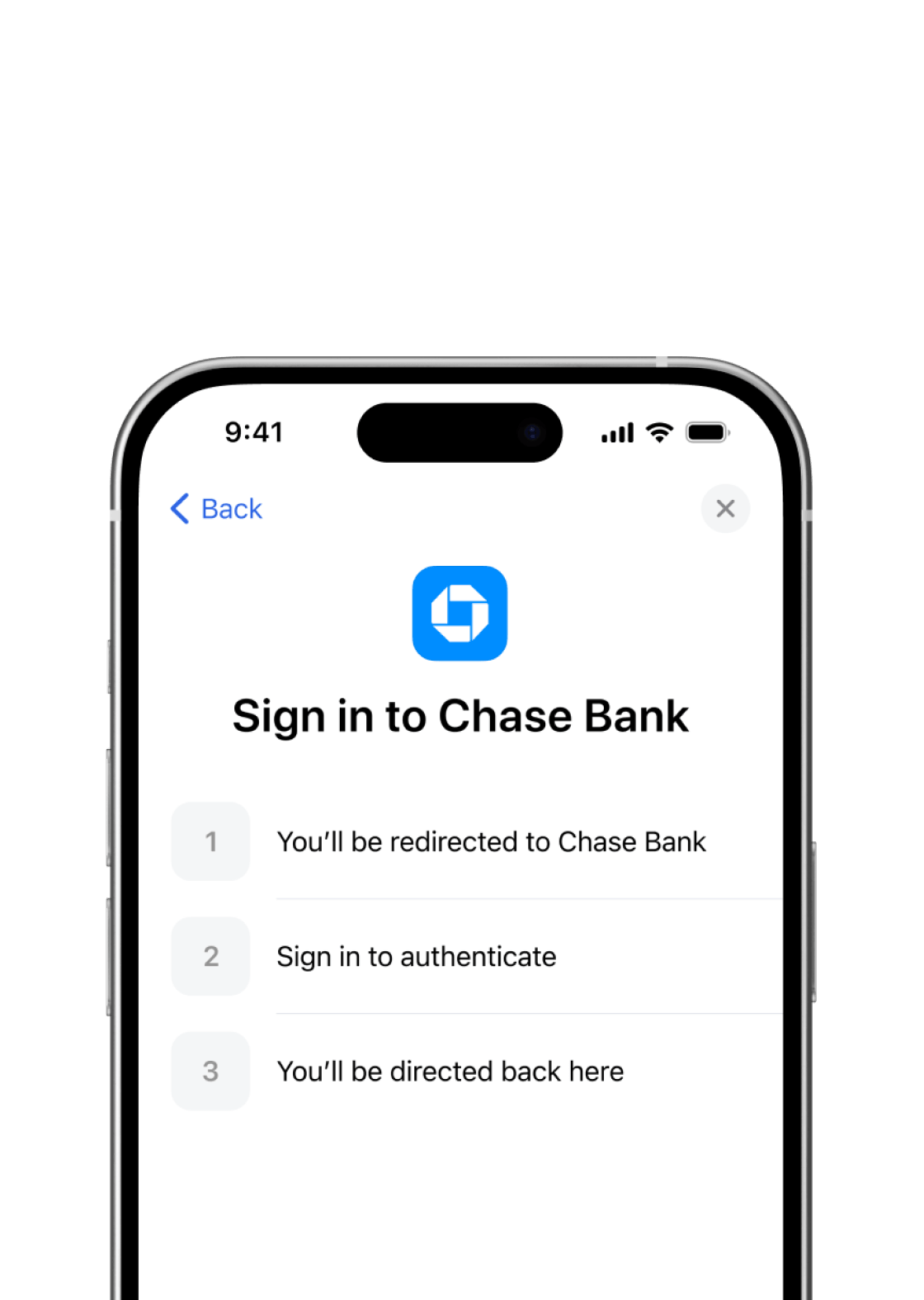
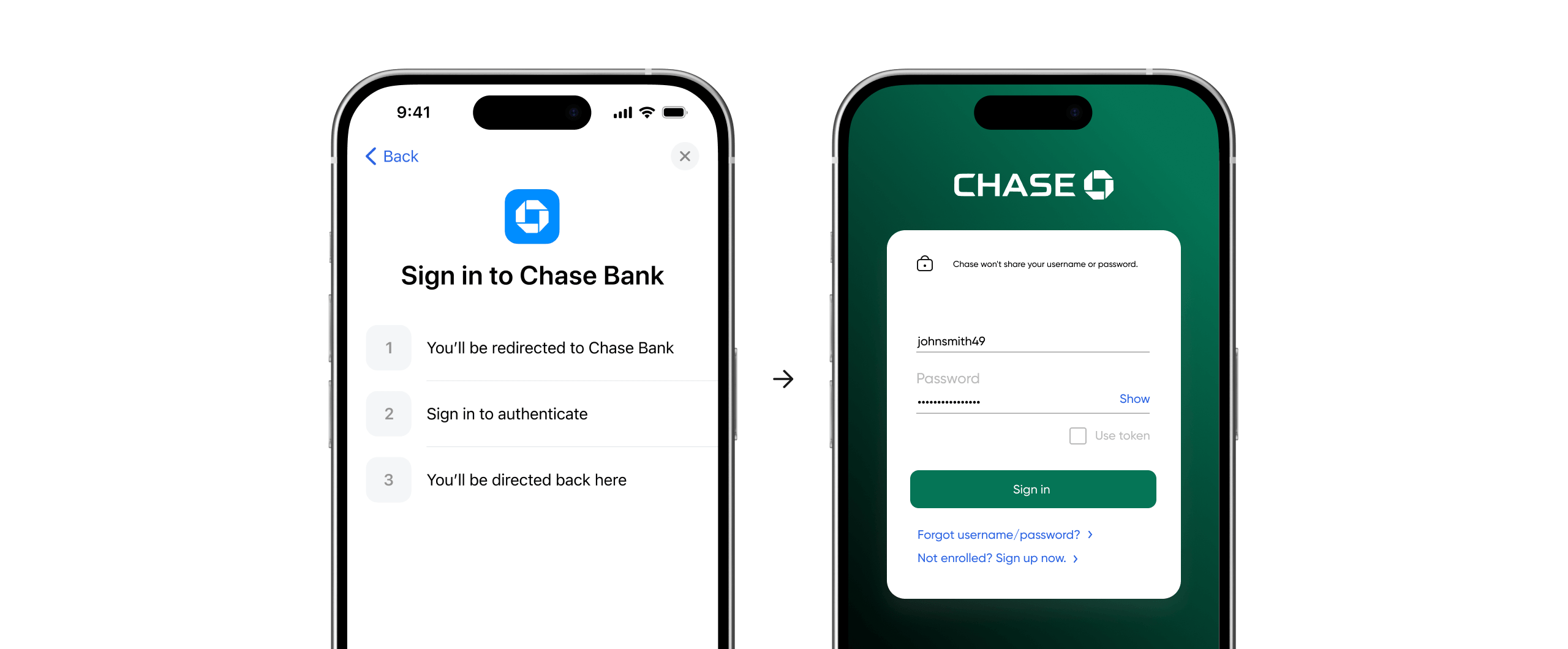
Yes. Truv uses OAuth-based authentication, meaning clients connect their bank accounts securely without sharing credentials with the agency, ensuring bank-grade security measures.
Yes. Agencies can configure the verification report to specify the number of days of deposit history, set thresholds for flagging large or irregular deposits, and tailor the data returned to match their program eligibility requirements.
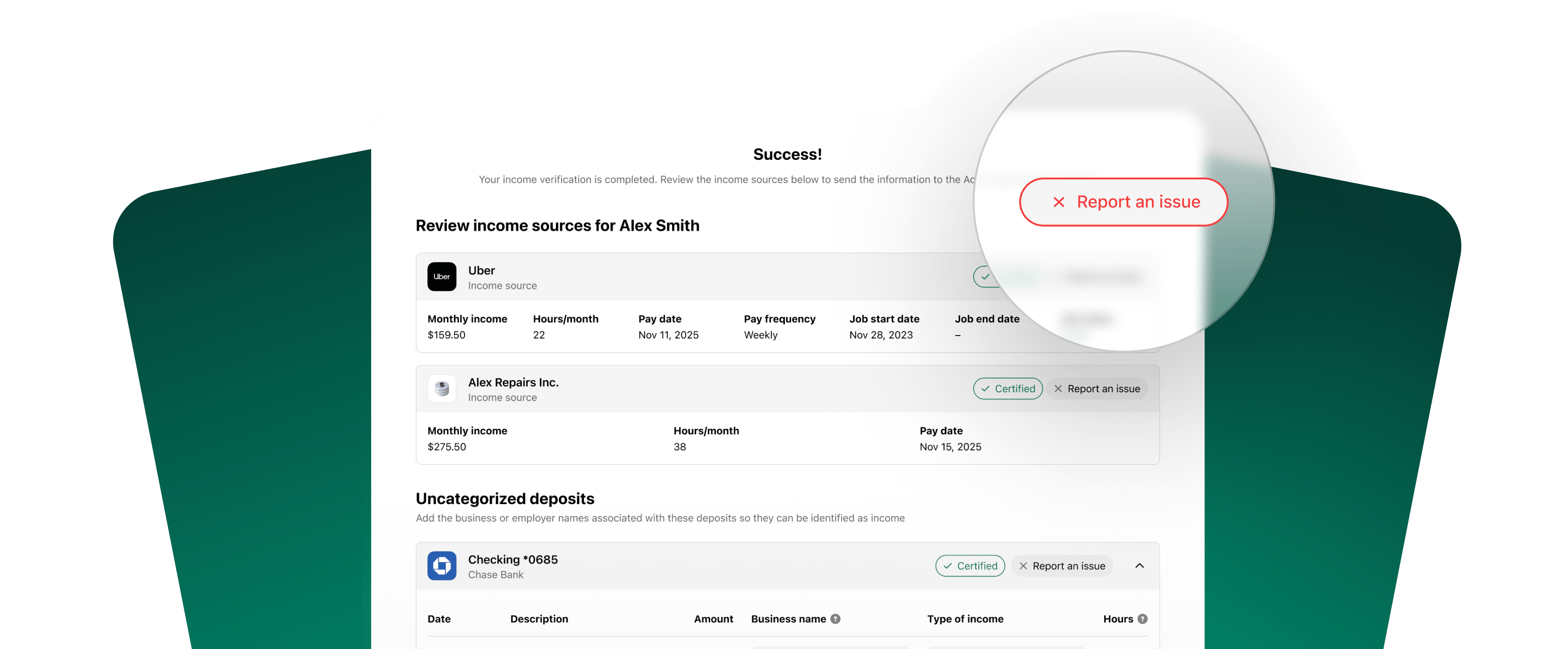
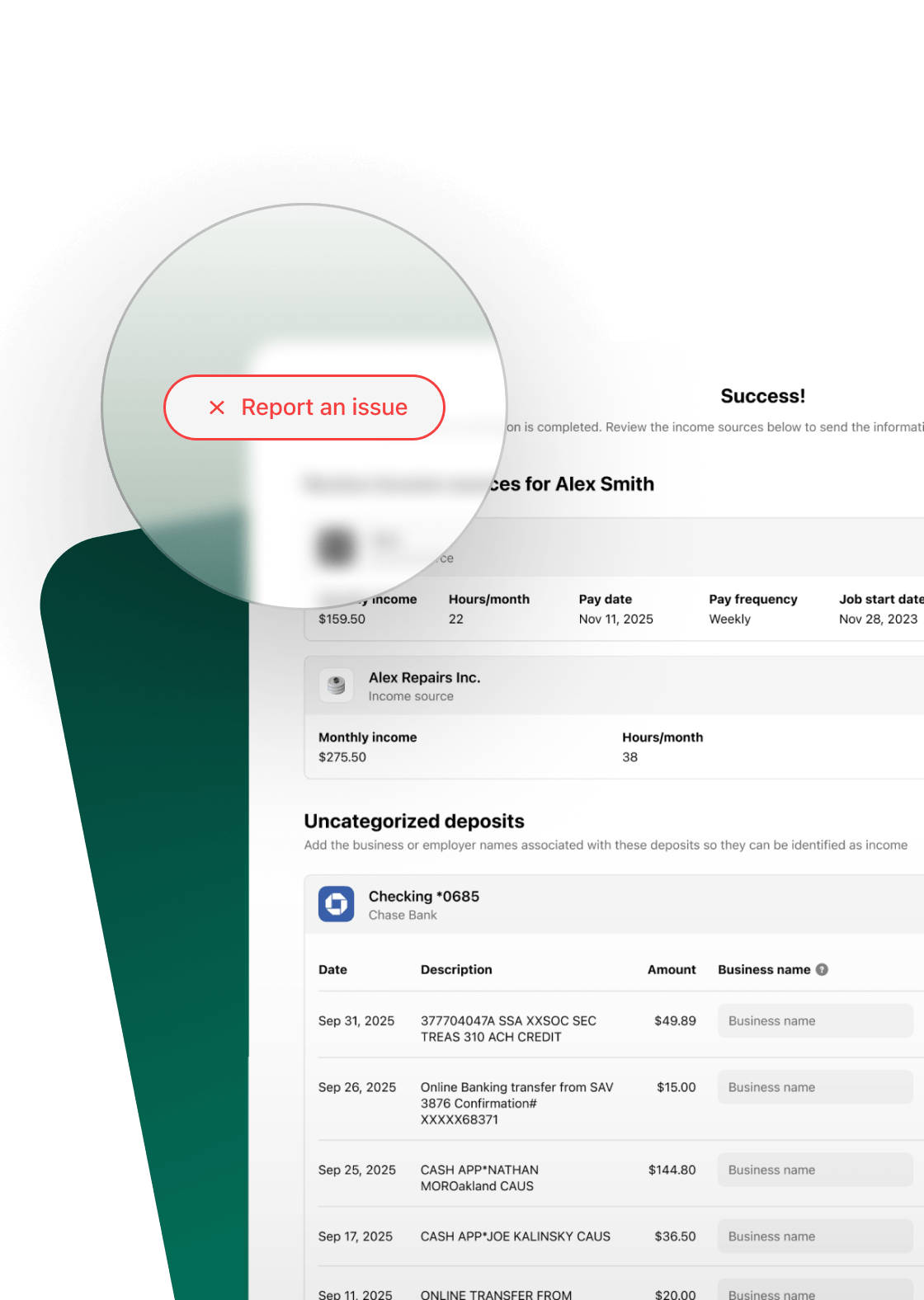
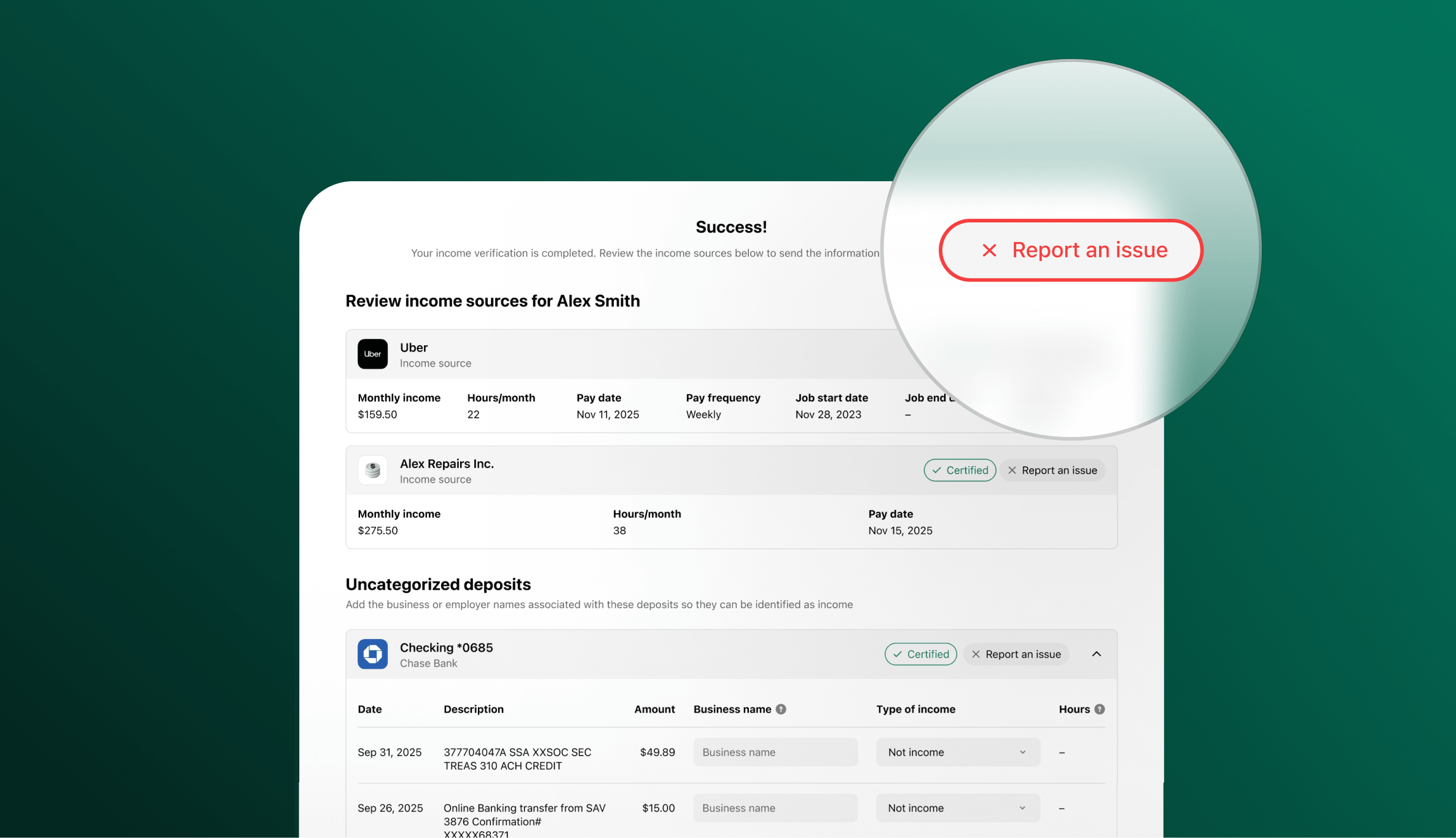
The Self-Certification Page gives clients a single, comprehensive view to self-attest their income, review connection details, report issues with listed income sources or employers, and make adjustments to their income results — all without caseworker intervention. If a client identifies an incorrect income source or employer, they can report it and add clarifying comments directly in the flow.
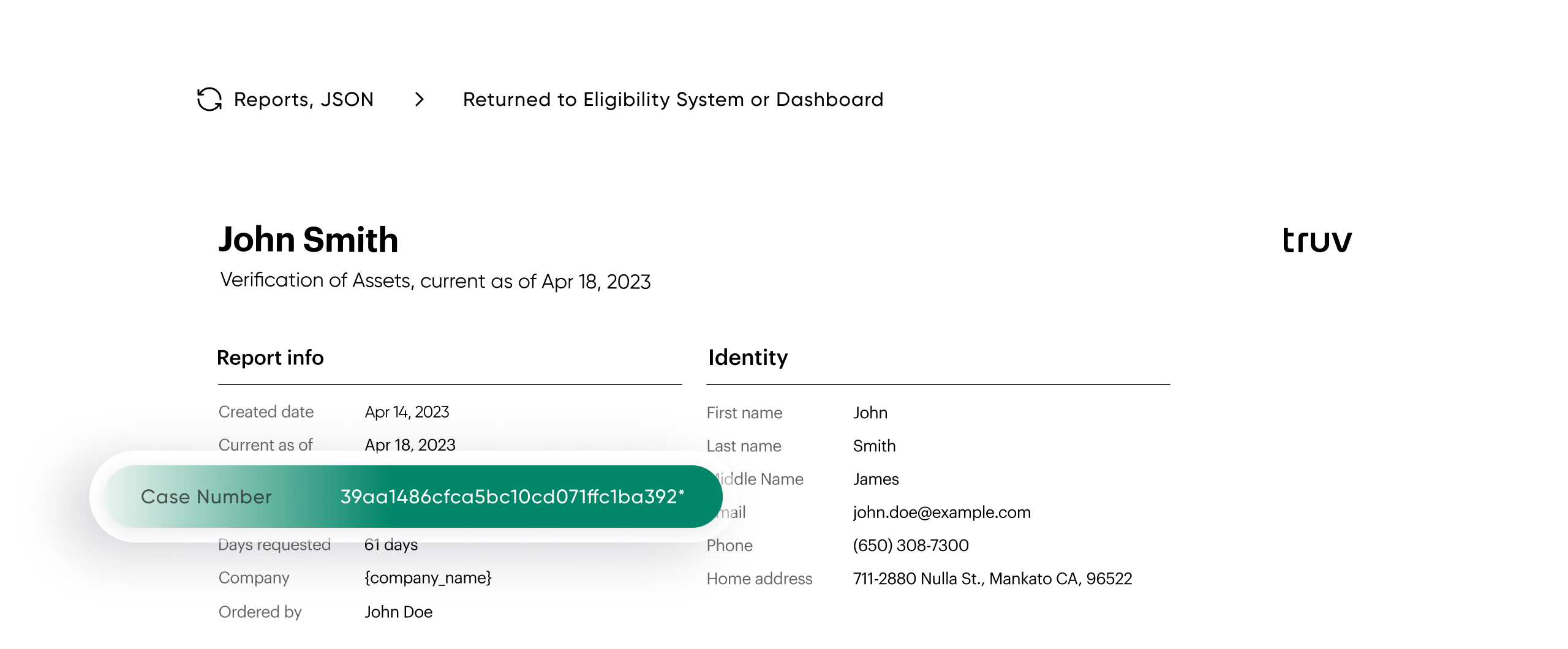
If a client doesn't see one of their income sources in the results, they can manually enter the business name and type of income next to the relevant bank transaction in the Self-Certification page. That input is automatically added to the Truv Report and JSON response returned to the agency, so the caseworker has full context for their review — no follow-up paperwork needed.
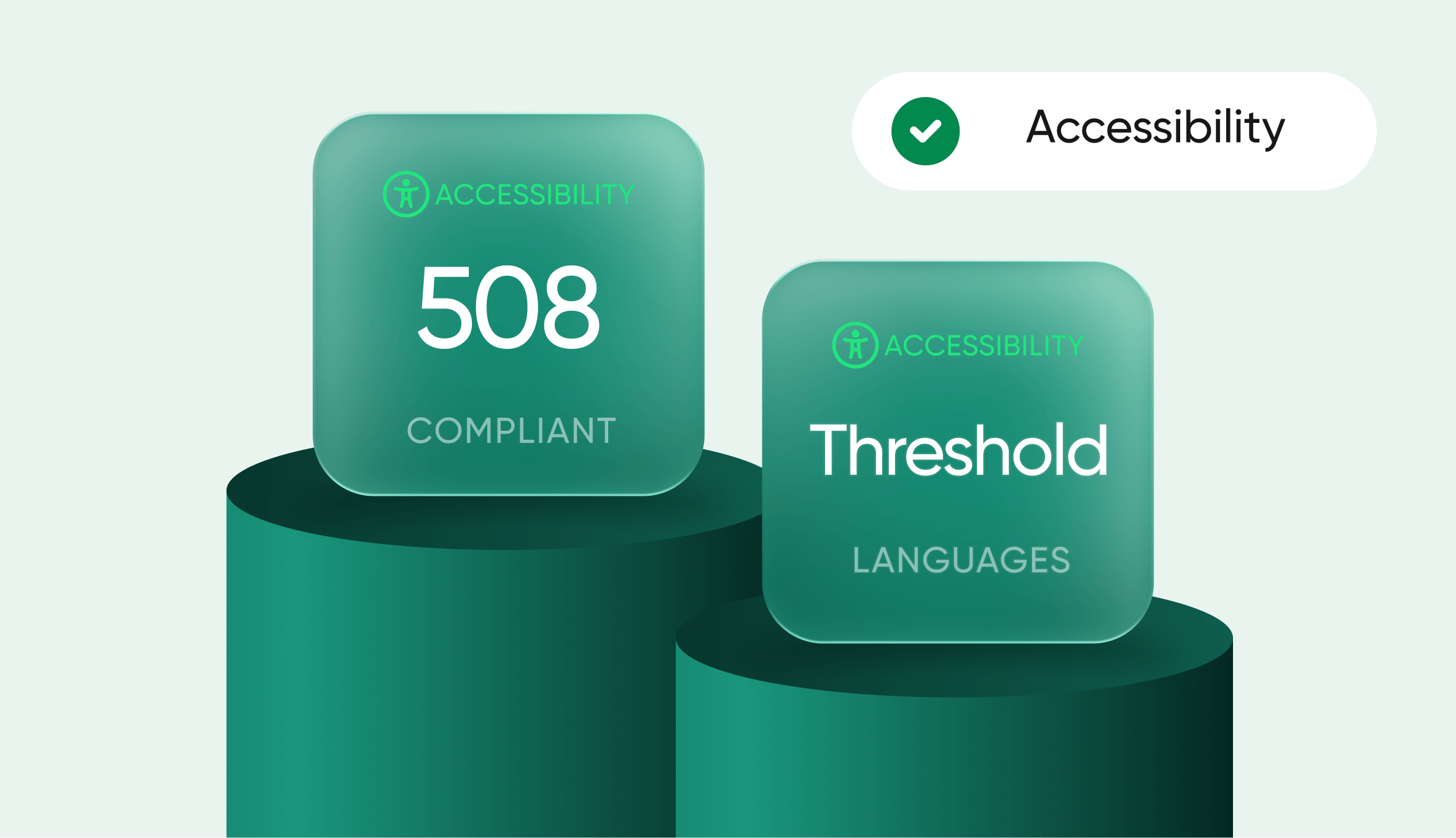
Yes. Truv is SOC2 Type II compliant, 508 compliant, WCAG 2.2 AA certified, and FCRA compliant. We're a licensed Credit Reporting Agency operating with 99.9% uptime and bank-grade encryption (AES-256 and TLS protocols).
Yes. Truv's consumer-facing experience is built to meet Section 508 accessibility standards, ensuring that clients with disabilities can navigate the verification flow without barriers — including those using screen readers, keyboard navigation, or other assistive technologies.
Yes. Truv's verification experience is built to support 19+ languages, ensuring language is not a barrier to completing the verification process or accessing benefits.
Yes, 19+ languages. Truv automatically detects a client's preferred language based on their device's default language setting — no manual selection required. The verification interface immediately reflects the appropriate language, creating a seamless experience from the start.
Truv's full security and compliance details are available at trust.truv.com (opens in new tab).