Truv vs Truework

Truv vs Truework.

Truv offers a full verification suite built in-house, so you gain better conversion, lower costs, and one accountable, dedicated team.

Truv verification platform

At a glance

The Truv difference.

96%

vs 90%
Coverage of U.S. workforce

14,000+

vs 8K+
Financial institutions

In-house

vs outsourced
Products & pricing

Direct

vs indirect
Support & innovation cycles

Proprietary vs third-party

Built in-house,
or bought and stitched together.

Built in-house, or bought and stitched together.

Truv

All-in-one vendor solution

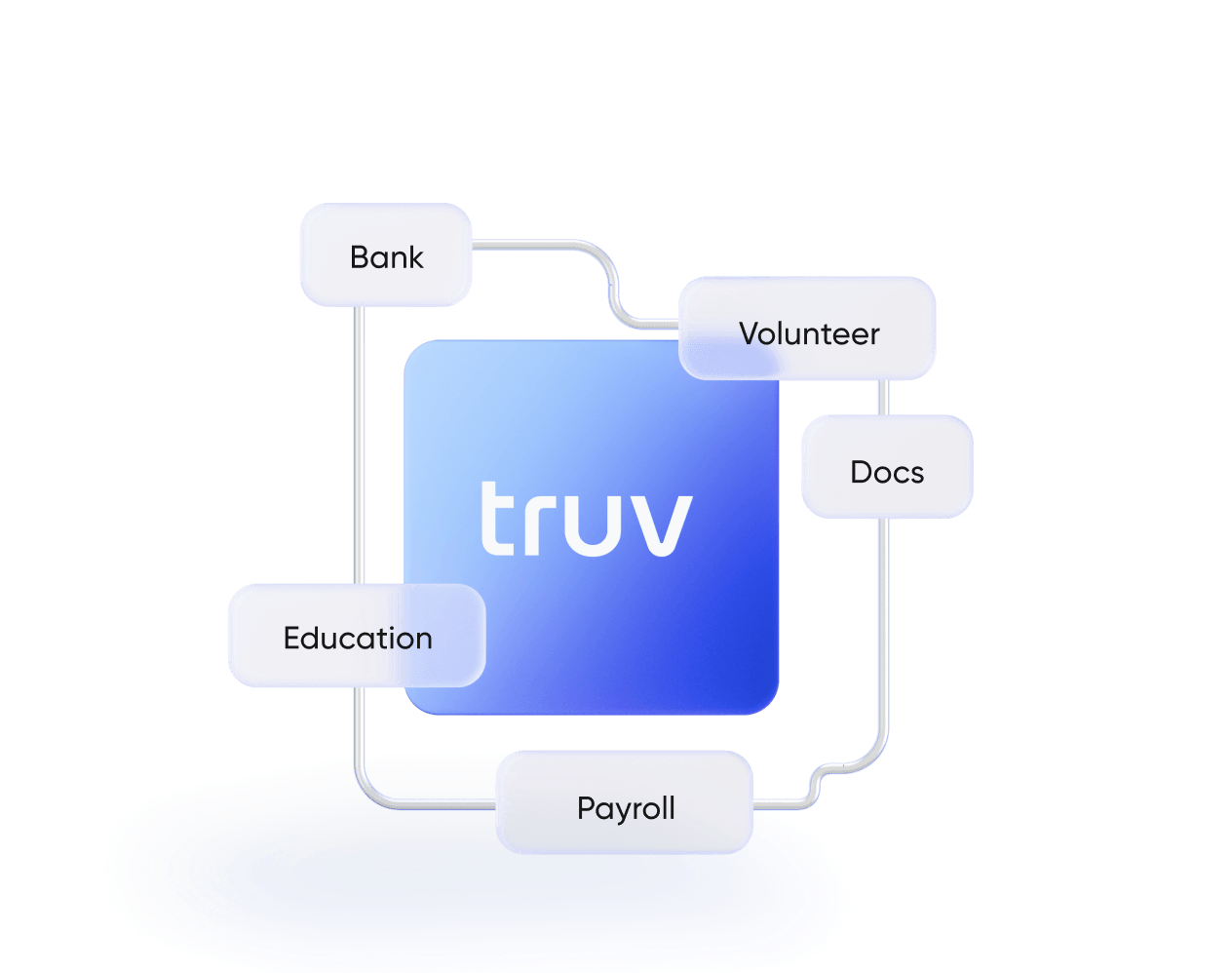
A direct-to-source data platform that retrieves income, employment, self-employed, wage earner, income document, asset, education, and volunteer data via direct connections powered by consumer authentication. Truv owns the technology end-to-end, making pricing lower and more flexible, innovation cycles faster and customizable, and support a single, accountable loop.

  • Full suite of in-house data sources
  • Direct support
  • Flexible pricing and customizable roadmap
Truework

Multi-vendor solution

Truework is an income and employment verification vendor that offers a status waterfall of solutions, including instant hits via third-party partnerships, consumer-permissioned verifications via third-party partnerships, documents via a third-party partnership, and an in-house call center. Because most solutions in the waterfall are not owned and managed in-house, costs, pricing, roadmap, and support can depend on middlemen, markup risk, vendor-bound timelines, and multi-party support loops.

  • Mix of in-house and third-party data sources
  • Platform offering limited to income and employment verification
  • Pricing, support, and roadmap can depend on third-parties

Side-by-side

Truv vs Truework:
the full comparison.

Truv

Truework

Coverage

Payroll workforce coverage

96% + military, gig, benefits

90% (500K employers)

Financial institutions

14,000+

Not offered

OAuth-secured bank logins

75% of bank traffic

Not offered

Document upload fallback

Automated; no human in the loop

Human in the loop (third party)

Conversion

Payroll-connected verifications

40–60%+ (depending on use case and implementation)

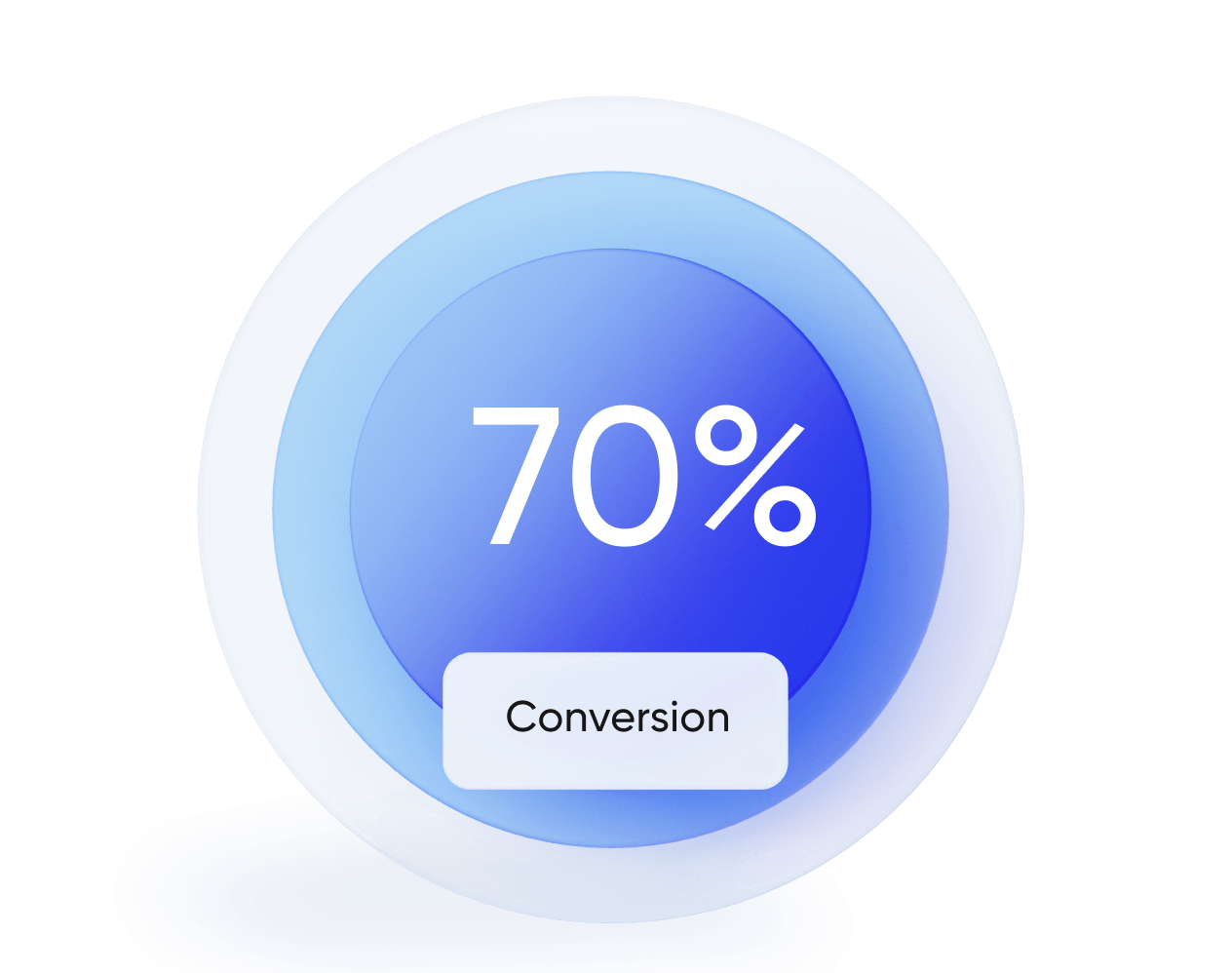
70% (waterfall-level, not by verification type)

Bank-connected verifications

65–85%

Not offered

Document-based verification

10–15% conversion uplift

Unknown

Platform

Platform model

Build, not buy (proprietary)

Buy, not build (third-party partnerships)

Original pay stubs & W2s

Yes

Yes

Asset verification

Proprietary, Fannie Mae & Freddie Mac approved

Not offered

Cross-platform flexibility (POS to LOS) for mortgage

Yes

Unknown

Product customization

Highly customizable

Limited (static waterfall)

GSE certifications for mortgage products

VOI, VOE, VOA, DVOE, SSV, Docs

VOI, VOE

Pricing model

Per successful verification (funded loans)

Blended, per-verification pricing

Truv figures are based on Truv platform data. Truework figures reflect publicly available information and Truv's market analysis as of 2026. Coverage, conversion, and pricing vary by customer, product, and population. Truework is a trademark of its respective owner; Truv is not affiliated with or endorsed by Truework.

Why buyers are switching

The case for change.

The case for change.

Products

Truework

Truework's product offering is limited to verification of income and employment.

Truv

Truv built a product suite specifically for mortgage lenders, including consumer-permissioned income and employment verification, asset verification, and document processing.

Data quality

Truework

Truework's solution offers mortgage lenders limited rep and warrant relief.

Truv

Truv is the only mortgage-lending offering eligible for rep and warrant relief across all verification products: income and employment, assets, and document upload. With Truv, lenders receive higher validation rates than other leading verification providers.

User experience

Truework

A multi-vendor solution can mean a disparate user experience, with different interfaces, inconsistent flows, and varying data formats depending on which underlying provider a given verification runs through.

Truv

Truv delivers one consistent experience across every verification, with the same interface, the same structured output, and the same connection speeds across data sources.

Support

Truework

A multi-vendor product offering inherently leads to slower issue-resolution loops, hand-offs between providers, and gaps in timely communication along the way.

Truv

Truv's in-house customer success and support teams are dedicated to delivering white-glove customer service, from guided onboarding to same-day issue resolution.

See Your Exact Savings

How much could you save with Truv?

Our customers save 30–80% on verification costs. Calculate your ROI in under 2 minutes.

Calculate Your Savings

See how Truv powers your industry.

See how Truv powers your industry.

Truv vs Truework, answered.

Truv vs Truework, answered.

Truv builds its payroll, bank, and document verification in-house, while Truework assembles its stack from third-party partnerships for payroll and documents plus an in-house call center. Owning every layer is what gives Truv control over conversion, cost, and support.

Truv is a consumer-permissioned verification platform that covers the same consumer-permissioned income and employment use cases as Truework, then adds proprietary asset verification and automated document processing as well, so all mortgage income, employment and asset verifications can be completed end to end with a single vendor partner.

Truework does not offer an asset verification product. Truv does: a Fannie Mae and Freddie Mac approved solution across 14,000+ financial institutions, with 75%+ OAuth connections and 2+ years of account history data.

Truv defines conversion as accounts connected successfully with complete, actionable data and source docs accepted by Fannie Mae D1C and Freddie Mac AIM, averaging 30–70% depending on implementation. Truework reports waterfall-level conversion that can include orders the waterfall cannot complete.

Truv charges per successful verification on funded loans, so you pay only for actionable data. Truework uses blended, per-verification pricing across its call-center, document-based, and consumer-permissioned methods.

No. Truv owns its payroll, bank, and document rails end to end, with no middlemen in the data path. Truework's payroll data runs through third-party partners and its documents through a third-party provider.

Yes. Truv serves 200+ financial institutions, including top lenders, banks, and credit unions such as CrossCountry Mortgage, Prosperity Home Mortgage, and CMG Financial.

Ready to see the Truv difference?

Create an account today, or schedule time with our team to see how Truv compares to Truework on your own volume.